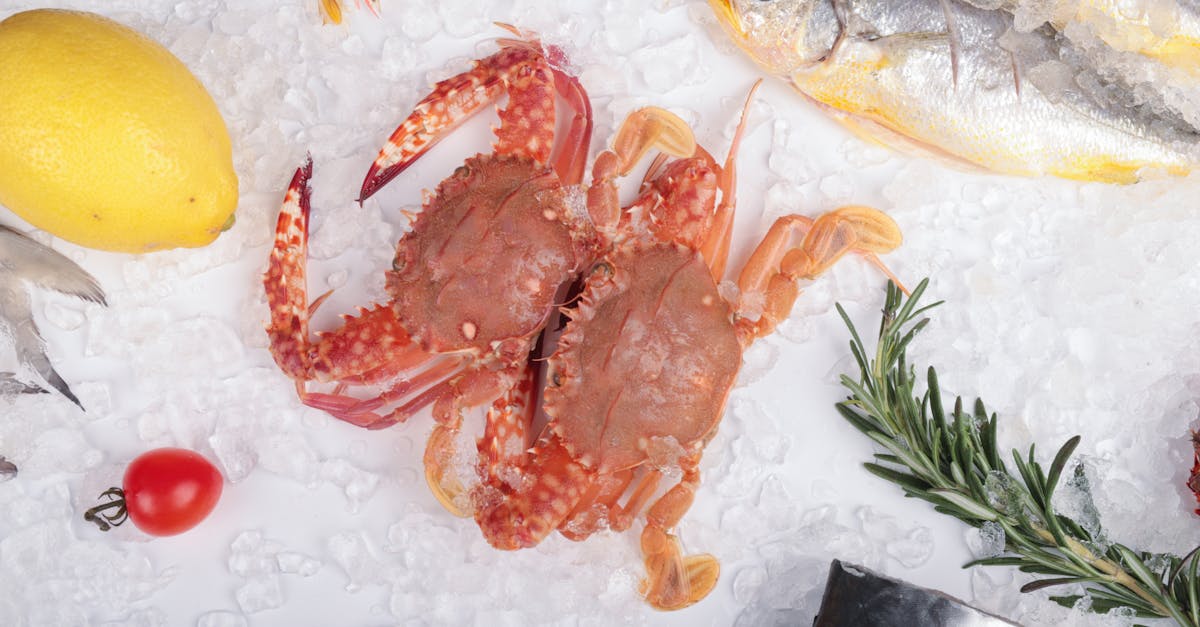
How to Choose the Best Frozen Fish Fillets

Why Proper Preservation Metho ds Matter for Frozen Fish

Flavor Profiles

When considering flavour profiles of frozen fish fillets, it is essential to take into account whether you prefer mild or rich tastes. Mild flavoured fillets, such as Cod or Haddock, have a subtle and gentle taste that pairs well with various seasonings and sauces. On the other hand, fish like Salmon or Mackerel offer a richer, more intense flavour that can stand out even with minimal seasoning.How Vacuum Sealing Enhances LongTerm Storage of Frozen Fish

The choice of flavour profile largely depends on personal preferences and the intended use of the fish fillets. If you enjoy delicate tastes that can be easily complemented with a variety of seasonings, opt for mild fillets. However, if you prefer bolder flavours that can hold their own in a dish, rich fillets might be more suitable for you. Additionally, considering the cooking method you plan to use can also help determine which flavour profile would work best for your recipe.Vacuum sealing presents a highly effective method for ensuring the prolonged storage of frozen fish. By eliminating excess air from the packaging, this technique significantly reduces the risk of freezer burn, maintaining the fish's quality for a longer duration. Without the presence of air, the fish is safeguarded against dehydration and oxidation, which are common causes of deterioration in frozen foods.

Mild vs Rich FlavorsFurthermore, vacuum-sealed packaging acts as a barrier to prevent potential cross-contamination and odour transfer within the freezer environment. This preservation method also aids in maintaining the original flavour and texture of the fish, minimising any alterations that may occur over time. With the enhanced protection offered by vacuum sealing, consumers can enjoy fish that retains its freshness and taste, even after extended periods in the freezer.

When it comes to choosing the best frozen fish fillets, one important consideration is the flavour profile. Some individuals prefer mild flavours that don't overpower the dish, while others enjoy richer, more robust flavours that stand out in a recipe. It's advisable to consider your personal taste preferences and the type of dish you plan to prepare when deciding between mild and rich flavours.Extending Shelf Life and Preventing Freezer Burn with VacuumSealed Packaging

Mild fillets, such as cod or haddock, are popular choices for those who prefer a delicate taste that pairs well with a variety of seasonings and sauces. On the other hand, rich-flavoured fish like salmon or mackerel can bring a bold taste to dishes, adding depth and complexity. Ultimately, the decision between mild and rich flavours is a subjective one, dependent on your individual palate and culinary preferences.Vacuum sealing is a highly effective method for extending the shelf life of frozen fish and safeguarding it against freezer burn. By removing the air surrounding the fish before sealing it in a vacuum bag, this process helps prevent oxidation and slows down the growth of harmful bacteria that can lead to spoilage. Without exposure to air, the fish remains fresher for a longer period, maintaining its quality and taste.

Texture PreferencesFurthermore, vacuum-sealed packaging creates a tight seal around the fish, preventing moisture loss and freezer burn. Freezer burn occurs when air comes into contact with the surface of the fish, causing dehydration and the development of unsightly, dry, and discoloured patches. By eliminating air through vacuum sealing, the fish is protected from these detrimental effects, ensuring that it retains its moisture content, texture, and flavour throughout its time in the freezer.

When it comes to selecting frozen fish fillets, texture is a crucial factor to consider for many consumers. Some prefer fillets that are flakey and easily break apart, offering a tender mouthfeel that delights the palate. On the other hand, others enjoy the firmer texture of fish fillets that hold their shape better during cooking and offer a substantial bite.Quality Indicators to Look for When Purchasing Frozen Fish Products

Texture preferences can greatly impact the overall dining experience, influencing how the fish interacts with other ingredients and the methods of cooking used. Understanding your own texture preferences can help you make an informed decision when choosing frozen fish fillets. Whether you lean towards flakey fillets that effortlessly melt in your mouth or prefer the robustness of firmer fillets, selecting the right texture can enhance your culinary creations and elevate your dining experiences.When purchasing frozen fish products, assessing certain quality indicators can help ensure that you are selecting the best option available. One key aspect to consider is the fish's color. Look for vibrant and natural hues, as dull or discolored fish may indicate deterioration. Additionally, pay attention to the fish's texture. Fresh frozen fish should have a firm and glossy appearance, without any signs of freezer burn or drying out.

Flakey vs Firm FilletsAnother crucial factor to consider when evaluating frozen fish products is their odor. Fresh fish should have a clean and slightly briny scent, reminiscent of the sea. Avoid any fish that give off a strong, fishy, or ammonia-like smell, as these can be indicators of poor quality or spoilage. Keeping these indicators in mind and selecting fish that meet these criteria can help you enjoy high-quality frozen fish products at their best.

When considering frozen fish fillets, one key aspect to ponder is the texture of the fillet. The choice between flakey and firm fillets hinges on personal preference, as each texture offers distinct culinary experiences. Flakey fillets tend to be delicate and break easily, offering a melt-in-your-mouth sensation. They are popular in dishes where a lighter texture is desired, such as in delicate fish pies or breaded fish dishes. On the other hand, firm fillets have a meatier texture that holds together well during cooking. This texture is ideal for grilling, pan-searing, or adding to robust stews and curries.Assessing Fish Color, Texture, and Odor to Determine Freshness and Quality

Texture is another fundamental aspect to consider when aBrand Reputationssessing frozen fish. Fresh fish should have firm, yet yielding flesh. Avoid fish that appear mushy or slimy, as these are indications of spoilage. Furthermore, fish should not have any noticeable ice crystals on the surface, as this could be a sign of improper freezing and storage. Lastly, a fresh fish should emit a clean, briny sea smell. Any off-putting odours such as ammonia or a strong fishy scent could signify that the fish is not fresh and may have started to spoil.

Considering brand reputation is a crucial aspect when selecting frozen fish fillets. Customer reviews and ratings play a significant role in determining the quality of a brand's products. By perusing through feedback from other consumers, you can gain insights into the consistency, flavour, and overall satisfaction with the products.Tips for Properly Labeling and Organizing Frozen Fish in the Freezer

Additionally, reputable brands often have a higher level of quality control in place, ensuring that their fish fillets are processed and stored properly. Prioritising brands with a strong reputation can help alleviate concerns about the origin and handling of the fish, ultimately leading to a more enjoyable dining experience.When it comes to ensuring your frozen fish remains fresh and organised in the freezer, proper labelling and organisation are paramount. Firstly, remember to label each package of frozen fish with the date of freezing, ensuring that older products are used before newer ones. This supports the principle of first in, first out, preventing any items from being forgotten in the depths of your freezer. Additionally, clearly labelling the type of fish and any seasonings or marinades used can help you plan meals more effectively and avoid unnecessary defrosting of multiple packages to find a specific item.

Customer Reviews and RatingsFurthermore, organising your frozen fish in the freezer plays a crucial role in maintaining their quality. To prevent your fish from being excessively exposed to temperature fluctuations, place them in the coldest part of the freezer away from the door. Stacking packages vertically rather than laying them flat can help save space and make it easier to see all items at a glance. Consider using separate containers or freezer bags for different types of fish or seafood to prevent cross-contamination and maintain their individual flavours.

Reading customer reviews and ratings can provide invaluable insights into the quality of frozen fish fillets. Many consumers share their honest opinions about the taste, texture, and overall satisfaction with various brands and products. Taking the time to go through these reviews can help you make a well-informed decision when selecting the best fish fillets for your meal. Ensuring Easy Identification and Rotation of Frozen Fish Products for Optimal Storage

Furthermore, by considering the overall ratings of different brands, you can gauge the general consensus among customers. High ratings often indicate that a particular brand consistently delivers on quality and taste, while lower ratings may signify issues to be wary of. It is essential to read a range of reviews to get a comprehensive understanding of the strengths and weaknesses of each product before making your purchase.Storing frozen fish properly involves more than just placing them in the freezer. Ensuring easy identification and rotation of these products is crucial for maintaining their quality and taste over time. To facilitate this process, it is recommended to label each package clearly with the type of fish, purchase date, and quantity. By including this information, you can easily identify the fish and keep track of how long it has been in the freezer.

FAQSMoreover, organizing frozen fish in the freezer according to the purchase date is essential for rotation. The 'first in, first out' principle should be applied, meaning older fish should be placed in front for quicker use, while newer purchases are stored behind. By regularly rotating the stock of frozen fish, you can prevent freezer burn and ensure that you are consuming the products before they lose their freshness and flavour. This simple practice can help you avoid waste and enjoy high-quality fish dishes every time.

How can I tell if frozen fish fillets are of good quality?FAQS

Look for fillets that are firm, with no signs of freezer burn or discolouration.Why is proper preservation important for frozen fish?

Is it better to choose mild or rich-flavored fish fillets?Proper preservation methods are important for frozen fish to maintain quality, flavour, and nutritional value over an extended period of time.

It depends on your personal preference and the dish you are preparing. Mild-flavored fillets are versatile, while rich-flavored fillets can add depth to dishes.How does vacuum sealing enhance the long-term storage of frozen fish?

Should I prioritize flakey or firm fish fillets for my recipes?Vacuum sealing removes air from the packaging, reducing the risk of freezer burn and preserving the texture and taste of the fish for longer periods.

Flakey fillets are ideal for delicate dishes like fish tacos, while firm fillets hold up better in stews and curries.What are some quality indicators to look for when purchasing frozen fish products?

How important is brand reputation when selecting frozen fish fillets?When purchasing frozen fish, look for indicators such as vibrant colour, firm texture, and a fresh, sea-like odour to ensure freshness and quality.

Brand reputation can give an indication of quality and consistency, but it's always a good idea to check customer reviews and ratings for more specific feedback.How can proper labeling and organizing of frozen fish in the freezer help with storage?

Where can I find customer reviews and ratings for frozen fish fillets?Properly labeling and organizing frozen fish in the freezer helps with easy identification, rotation of products, and ensures optimal storage conditions to prevent food wastage.

You can check online retailers, food review websites, and forums for customer feedback on various frozen fish fillet brands.How can consumers assess the freshness and quality of frozen fish?

Consumers can assess the freshness and quality of frozen fish by checking for colour, texture, and odour, ensuring they meet the desired standards for consumption.

Related Links

How to Properly Store Frozen Fish FilletsRelated Links
Roundup of the Health Benefits of Eating Frozen Fish FilletsThe History of Frozen Fish Delivery Services
Review of Popular Frozen Fish Fillets Brands10 Essential Tips for Ordering Frozen Fish Online
10 Best Frozen Fish Fillets You Can BuyReview of the Top Frozen Fish Delivery Services
The History of Fish Fillets in British CuisineRoundup of Best Practices for Frozen Fish Packaging and Delivery
Why Customer Support is Crucial in Frozen Fish Delivery