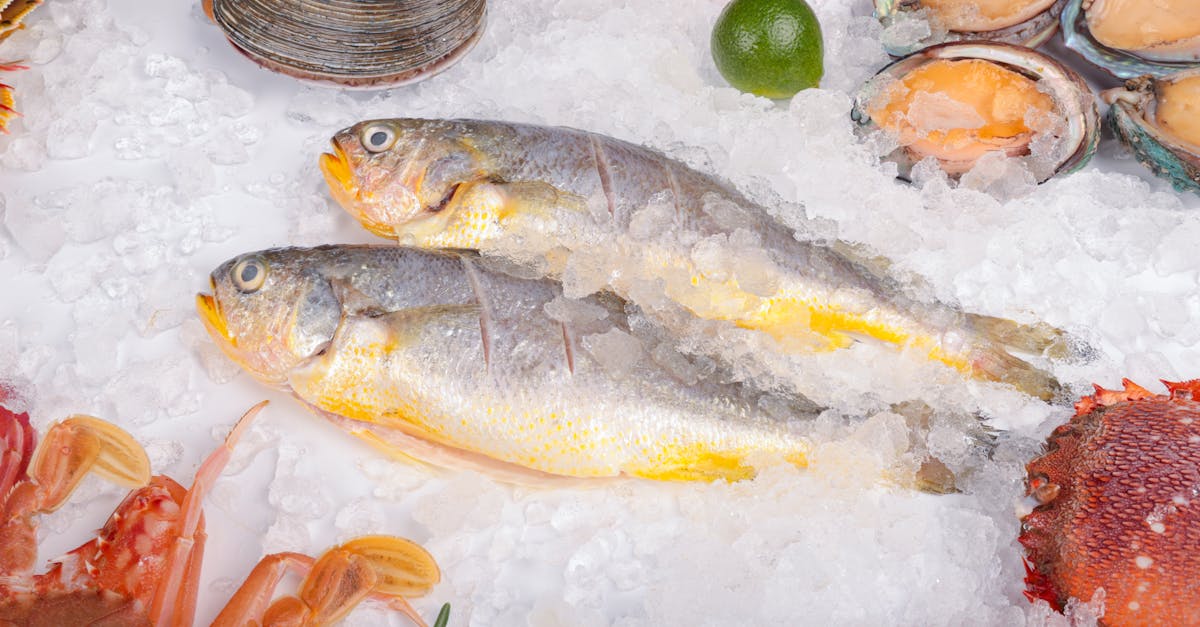
What to Expect from Frozen Fish Delivery ServicesWhy Proper Preservation Methods Matter for Frozen Fish
Tips for Thawing Frozen Fish SafelyHow Vacuum Sealing Enhances LongTerm Storage of Frozen Fish
When it comes to thawing frozen fish safely, there are some key considerations to keep in mind. Firstly, it's important to plan ahead and allow enough time for the fish to defrost properly. The recommended method is to place the fish in the refrigerator overnight or for several hours until fully thawed. This gradual process helps maintain the quality of the fish and reduces the risk of bacterial growth.Vacuum sealing presents a highly effective method for ensuring the prolonged storage of frozen fish. By eliminating excess air from the packaging, this technique significantly reduces the risk of freezer burn, maintaining the fish's quality for a longer duration. Without the presence of air, the fish is safeguarded against dehydration and oxidation, which are common causes of deterioration in frozen foods.
Avoid thawing fish at room temperature, as this can lead to uneven thawing and potentially harmful bacterial growth. Refrain from using hot water or the microwave to speed up the thawing process, as these methods can negatively impact the texture and taste of the fish. Once the fish is fully thawed, it is ready to be cooked according to your desired recipe. By following these tips for thawing frozen fish safely, you can ensure a delicious and safe culinary experience.Furthermore, vacuum-sealed packaging acts as a barrier to prevent potential cross-contamination and odour transfer within the freezer environment. This preservation method also aids in maintaining the original flavour and texture of the fish, minimising any alterations that may occur over time. With the enhanced protection offered by vacuum sealing, consumers can enjoy fish that retains its freshness and taste, even after extended periods in the freezer.
Best Practices for Thawing FishExtending Shelf Life and Preventing Freezer Burn with VacuumSealed Packaging
When it comes to thawing fish safely, there are a few key guidelines to follow to ensure that the fish retains its texture and flavour. To begin, one of the best methods is to transfer the frozen fish from the freezer to the refrigerator and let it thaw slowly overnight. This gradual thawing process helps maintain the integrity of the fish, preventing it from becoming mushy or losing its natural juices.Vacuum sealing is a highly effective method for extending the shelf life of frozen fish and safeguarding it against freezer burn. By removing the air surrounding the fish before sealing it in a vacuum bag, this process helps prevent oxidation and slows down the growth of harmful bacteria that can lead to spoilage. Without exposure to air, the fish remains fresher for a longer period, maintaining its quality and taste.
Alternatively, if you need to thaw the fish more quickly, you can place it in a sealed plastic bag and submerge it in cold water. It's important to change the water every 30 minutes to ensure that it stays cold enough to thaw the fish without allowing bacteria to grow. Avoid using hot water or leaving the fish out at room temperature for an extended period as this can lead to uneven thawing and compromise the quality of the fish.Furthermore, vacuum-sealed packaging creates a tight seal around the fish, preventing moisture loss and freezer burn. Freezer burn occurs when air comes into contact with the surface of the fish, causing dehydration and the development of unsightly, dry, and discoloured patches. By eliminating air through vacuum sealing, the fish is protected from these detrimental effects, ensuring that it retains its moisture content, texture, and flavour throughout its time in the freezer.
Quality Assurance Measures in Frozen Fish Delivery ServicesQuality Indicators to Look for When Purchasing Frozen Fish Products
When selecting a frozen fish delivery service, it is crucial to look for providers that implement stringent quality assurance measures throughout their process. One of the primary indicators of quality is the freezing method used by the supplier. Rapid freezing techniques, such as blast freezing, help preserve the fish's freshness and integrity by preventing the formation of large ice crystals that can compromise texture and taste.When purchasing frozen fish products, assessing certain quality indicators can help ensure that you are selecting the best option available. One key aspect to consider is the fish's color. Look for vibrant and natural hues, as dull or discolored fish may indicate deterioration. Additionally, pay attention to the fish's texture. Fresh frozen fish should have a firm and glossy appearance, without any signs of freezer burn or drying out.
Furthermore, reputable frozen fish delivery services adhere to strict storage and transportation protocols to maintain the products at optimal temperatures. Cold chain management is vital to ensure that the fish remains frozen at the appropriate temperature from the moment it is packed to when it reaches the customer's doorstep. By prioritising quality assurance measures, delivery services can uphold the quality and safety of their frozen fish products, meeting the expectations of discerning customers seeking premium seafood options.Another crucial factor to consider when evaluating frozen fish products is their odor. Fresh fish should have a clean and slightly briny scent, reminiscent of the sea. Avoid any fish that give off a strong, fishy, or ammonia-like smell, as these can be indicators of poor quality or spoilage. Keeping these indicators in mind and selecting fish that meet these criteria can help you enjoy high-quality frozen fish products at their best.
Guaranteeing Customer SatisfactionAssessing Fish Color, Texture, and Odor to Determine Freshness and Quality
Delivering excellent customer satisfaction is paramount to any frozen fish delivery service. Ensuring that customers receive their orders promptly and in pristine condition is a top priority. From the moment an order is placed to the point of delivery, it is crucial to maintain open lines of communication with customers, providing updates on order status and delivery timings.When it comes to evaluating the freshness and quality of frozen fish, paying attention to key indicators such as colour, texture, and odour is crucial. A bright, vibrant colour is often a sign of freshness in fish. Opt for fish fillets or steaks that have a natural sheen and avoid those with discolouration or browning. Additionally, a translucent appearance in fish flesh suggests high quality, as opaque or dull flesh may indicate that the fish is past its prime.
Moreover, addressing any potential issues or concerns swiftly and professionally is key to guaranteeing customer satisfaction. Customer feedback should be welcomed and used as a tool for continuous improvement within the service. By actively listening to customers' suggestions and concerns, frozen fish delivery services can adapt and refine their processes to better meet customers' needs and preferences.Texture is another fundamental aspect to consider when assessing frozen fish. Fresh fish should have firm, yet yielding flesh. Avoid fish that appear mushy or slimy, as these are indications of spoilage. Furthermore, fish should not have any noticeable ice crystals on the surface, as this could be a sign of improper freezing and storage. Lastly, a fresh fish should emit a clean, briny sea smell. Any off-putting odours such as ammonia or a strong fishy scent could signify that the fish is not fresh and may have started to spoil.
Sustainable Practices in Frozen Fish DeliveryTips for Properly Labeling and Organizing Frozen Fish in the Freezer
Sustainable practices play a crucial role in the operations of frozen fish delivery services. Companies are increasingly focusing on reducing their carbon footprint and promoting environmentally friendly practices throughout their supply chain. From responsibly sourcing fish from sustainable fisheries to implementing eco-friendly packaging solutions, these businesses are striving to minimise their impact on the environment.When it comes to ensuring your frozen fish remains fresh and organised in the freezer, proper labelling and organisation are paramount. Firstly, remember to label each package of frozen fish with the date of freezing, ensuring that older products are used before newer ones. This supports the principle of first in, first out, preventing any items from being forgotten in the depths of your freezer. Additionally, clearly labelling the type of fish and any seasonings or marinades used can help you plan meals more effectively and avoid unnecessary defrosting of multiple packages to find a specific item.
One key aspect of sustainable practices in frozen fish delivery services is the commitment to responsible sourcing. This involves working closely with suppliers who adhere to sustainable fishing practices, such as ensuring that fish stocks are not overexploited and that fishing methods are environmentally friendly. By partnering with suppliers who share these values, companies can offer consumers peace of mind knowing that the fish they purchase has been sourced in a responsible and sustainable manner.Furthermore, organising your frozen fish in the freezer plays a crucial role in maintaining their quality. To prevent your fish from being excessively exposed to temperature fluctuations, place them in the coldest part of the freezer away from the door. Stacking packages vertically rather than laying them flat can help save space and make it easier to see all items at a glance. Consider using separate containers or freezer bags for different types of fish or seafood to prevent cross-contamination and maintain their individual flavours.
Commitment to Responsible SourcingEnsuring Easy Identification and Rotation of Frozen Fish Products for Optimal Storage
Fish delivery services that demonstrate a commitment to responsible sourcing play a vital role in ensuring the sustainability of marine ecosystems. By prioritising responsible sourcing practices, these companies contribute to the preservation of aquatic populations and habitats, ultimately benefiting both the environment and future generations. Through careful selection of suppliers and transparent sourcing processes, ethical fish delivery services help to minimise the negative impact of commercial fishing activities on marine biodiversity.Storing frozen fish properly involves more than just placing them in the freezer. Ensuring easy identification and rotation of these products is crucial for maintaining their quality and taste over time. To facilitate this process, it is recommended to label each package clearly with the type of fish, purchase date, and quantity. By including this information, you can easily identify the fish and keep track of how long it has been in the freezer.
In addition to safeguarding marine resources, a dedication to responsible sourcing also extends to ensuring fair labour practices within the industry. By partnering with suppliers who uphold ethical standards and conduct periodic audits to verify compliance, fish delivery services can play a crucial role in promoting social responsibility and supporting the welfare of workers in the fishing sector. This commitment not only fosters a more sustainable and ethical supply chain but also helps to build trust with consumers who value transparency and ethical business practices.Moreover, organizing frozen fish in the freezer according to the purchase date is essential for rotation. The 'first in, first out' principle should be applied, meaning older fish should be placed in front for quicker use, while newer purchases are stored behind. By regularly rotating the stock of frozen fish, you can prevent freezer burn and ensure that you are consuming the products before they lose their freshness and flavour. This simple practice can help you avoid waste and enjoy high-quality fish dishes every time.
FAQSFAQS
How should I safely thaw frozen fish?Why is proper preservation important for frozen fish?
To safely thaw frozen fish, it is best to place it in the refrigerator overnight or use the cold water method by submerging the fish in a sealed bag in cold water.Proper preservation methods are important for frozen fish to maintain quality, flavour, and nutritional value over an extended period of time.
What are some quality assurance measures in frozen fish delivery services?How does vacuum sealing enhance the long-term storage of frozen fish?
Quality assurance measures in frozen fish delivery services may include proper packaging to maintain freshness, temperature-controlled storage and transportation, and adherence to food safety regulations.Vacuum sealing removes air from the packaging, reducing the risk of freezer burn and preserving the texture and taste of the fish for longer periods.
How can frozen fish delivery services guarantee customer satisfaction?What are some quality indicators to look for when purchasing frozen fish products?
Frozen fish delivery services can guarantee customer satisfaction by providing timely deliveries, offering a variety of high-quality fish options, and addressing any customer concerns or issues promptly and professionally.When purchasing frozen fish, look for indicators such as vibrant colour, firm texture, and a fresh, sea-like odour to ensure freshness and quality.
What sustainable practices should I expect from frozen fish delivery services?How can proper labeling and organizing of frozen fish in the freezer help with storage?
Sustainable practices in frozen fish delivery services may include sourcing fish from responsible fisheries, reducing packaging waste, and supporting environmentally friendly initiatives in the fishing industry.Properly labeling and organizing frozen fish in the freezer helps with easy identification, rotation of products, and ensures optimal storage conditions to prevent food wastage.
How can I ensure that a frozen fish delivery service is committed to responsible sourcing?How can consumers assess the freshness and quality of frozen fish?
To ensure that a frozen fish delivery service is committed to responsible sourcing, look for certifications such as MSC (Marine Stewardship Council) or ASC (Aquaculture Stewardship Council) which indicate sustainable and responsible fishing practices.Consumers can assess the freshness and quality of frozen fish by checking for colour, texture, and odour, ensuring they meet the desired standards for consumption.
Related LinksRelated Links
Why Choose Frozen Fish Delivery for Your MealsThe History of Frozen Fish Delivery ServicesWhat to Know About the Cost-Effectiveness of Frozen Fish Delivery10 Essential Tips for Ordering Frozen Fish Online
Roundup of the Best Frozen Fish Products AvailableReview of the Top Frozen Fish Delivery Services
Review of Top Frozen Fish Delivery ServicesRoundup of Best Practices for Frozen Fish Packaging and Delivery
10 Benefits of Choosing Frozen Fish DeliveryWhy Customer Support is Crucial in Frozen Fish Delivery
Historical Overview of Frozen Fish Delivery Practices
Why Cost-Effectiveness Matters in Frozen Fish Delivery